Totem Town Community Garden
Wednesday, March 07, 2007
2007 Totem Town Community Garden Annual Meeting!
2007 Totem Town Community Garden Annual Meeting for new and returning gardeners
Thursday, March 15th, 7pm – 8:30pm
Oakdale Library, 1010 Heron Ave. N., Oakdale.
For more information, please call Laura McDermott at 651-730-9566 ¶ 3:42 PM 0 comments

Thursday, March 15th, 7pm – 8:30pm
Oakdale Library, 1010 Heron Ave. N., Oakdale.
For more information, please call Laura McDermott at 651-730-9566 ¶ 3:42 PM 0 comments
Friday, April 07, 2006
Let the Season Begin

No matter that the last of the snow only melted off the community garden last week and that it is a soggy mudhole.
Community gardening is in the air!
Government officials are signing off on garden leases, insurers are divining risk and preparing certificates of insurance. Gardeners are nursing along sprouting seeds in paper cups under lights in their basements.
April 1 was the first Saturday signup. Four gardeners braved the early April raw cold to scout out plots and stake their claims.
Why does one plot get selected over another?
- Less preparation work
- Better looking soil
- Location closer to water and/or garden entry
- Neighbors
- Just feel good about this one
- The previous tenant grew organic
- Better fence ¶ 6:37 PM 0 comments

No matter that the last of the snow only melted off the community garden last week and that it is a soggy mudhole.
Community gardening is in the air!
Government officials are signing off on garden leases, insurers are divining risk and preparing certificates of insurance. Gardeners are nursing along sprouting seeds in paper cups under lights in their basements.
April 1 was the first Saturday signup. Four gardeners braved the early April raw cold to scout out plots and stake their claims.
Why does one plot get selected over another?
- Less preparation work
- Better looking soil
- Location closer to water and/or garden entry
- Neighbors
- Just feel good about this one
- The previous tenant grew organic
- Better fence ¶ 6:37 PM 0 comments
Friday, March 24, 2006
Raised Bed Learning Experience

While attending the Twin Cities Gardening Resource Fair on March 18, I ended up in a discussion on the "best design" for raised beds. A group of high school students and their moderator are getting ready to install some at various locations.
Besides the obvious questions of how high they should be, a gaggle of we community gardeners offered our opinions and experiences. We discussed materials, lengths, depths to turn soil below ground, aisle widths, fasteners, etc.
I was so intrigued that over the last week I reviewed my electronic and paper resources. I also worked up a little list of "starter questions" to ask when working through bed design and layout.
- What would the gardeners like?
- Is there some certainty of longevity for the garden?
- How will the garden be used?
- Does the sponsoring agency have a preference?
- Who will be using the space and what are their abilities?
- Is water more accessible using one method compared to another?
- Maintenance issues? What does the groundskeeper think?
- How does bed layout and their sizes fit the overall landscape?
- What will be grown? Example - with lots of verticals like beans and morning glories, a long narrow box with a trellis along a long end would have a wall-like effect. ¶ 8:47 PM 0 comments

While attending the Twin Cities Gardening Resource Fair on March 18, I ended up in a discussion on the "best design" for raised beds. A group of high school students and their moderator are getting ready to install some at various locations.
Besides the obvious questions of how high they should be, a gaggle of we community gardeners offered our opinions and experiences. We discussed materials, lengths, depths to turn soil below ground, aisle widths, fasteners, etc.
I was so intrigued that over the last week I reviewed my electronic and paper resources. I also worked up a little list of "starter questions" to ask when working through bed design and layout.
- What would the gardeners like?
- Is there some certainty of longevity for the garden?
- How will the garden be used?
- Does the sponsoring agency have a preference?
- Who will be using the space and what are their abilities?
- Is water more accessible using one method compared to another?
- Maintenance issues? What does the groundskeeper think?
- How does bed layout and their sizes fit the overall landscape?
- What will be grown? Example - with lots of verticals like beans and morning glories, a long narrow box with a trellis along a long end would have a wall-like effect. ¶ 8:47 PM 0 comments
Friday, March 17, 2006
Phosphorus - The Good and the Bad

According to gardening books, phosphorus is an essential nutrient. It is necessary for proper fruiting, flowering, seed formation, and root branching. It helps build strong stems and resistance to disease.
No wonder it is a basic fertilizer component. But excessive phosphorus is a signficant water quality issue In Minnesota.
Four recent sample analyses of soil from the TT community garden contained 61, 100+, 100+, and 54 parts per million phosphorus. The University of Minnesota indicates that 25 parts per million is considered very high.
Bottom line. The garden does not need phosphorus. That is the easy part.
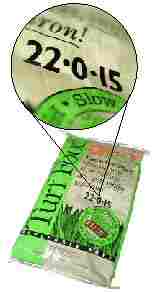
Now, we need to be convinced that any fertilzer that gets added should have zero as the middle number.
photo source - Minnesota Office of Environmental Assistance ¶ 8:21 PM 0 comments
According to gardening books, phosphorus is an essential nutrient. It is necessary for proper fruiting, flowering, seed formation, and root branching. It helps build strong stems and resistance to disease.
No wonder it is a basic fertilizer component. But excessive phosphorus is a signficant water quality issue In Minnesota.
Four recent sample analyses of soil from the TT community garden contained 61, 100+, 100+, and 54 parts per million phosphorus. The University of Minnesota indicates that 25 parts per million is considered very high.
Bottom line. The garden does not need phosphorus. That is the easy part.
Now, we need to be convinced that any fertilzer that gets added should have zero as the middle number.
photo source - Minnesota Office of Environmental Assistance ¶ 8:21 PM 0 comments
Friday, March 10, 2006
Victory Gardens - Some Facts

"Vegetables, Vitality, Victory" was the victory garden slogan for 1942.
Plot sizes of 20 by 40 feet, 30 by 50 feet were deemed sufficient to feed a family of four.
Tomatoes. beets, beans, carrots, radishes, Swiss chard, and onions were the recommended crops. Brussel sprouts were banned from the recommended list.
In 1942 fifteen million victory gardens were registered with the USDA. Twenty million were registered the next year.
There were victory gardens on the Boston Common and at Arlington Park racetrack in Chicago. Gardens were commonplace in public parks.
source: The North Dakota Quarterly, Summer 1993 ¶ 9:07 PM 0 comments

"Vegetables, Vitality, Victory" was the victory garden slogan for 1942.
Plot sizes of 20 by 40 feet, 30 by 50 feet were deemed sufficient to feed a family of four.
Tomatoes. beets, beans, carrots, radishes, Swiss chard, and onions were the recommended crops. Brussel sprouts were banned from the recommended list.
In 1942 fifteen million victory gardens were registered with the USDA. Twenty million were registered the next year.
There were victory gardens on the Boston Common and at Arlington Park racetrack in Chicago. Gardens were commonplace in public parks.
source: The North Dakota Quarterly, Summer 1993 ¶ 9:07 PM 0 comments
Friday, March 03, 2006
Viewing Gardens From Above

No it's not a photo of long abandoned Mayan village or an ancient walled town in the Middle East. It is an aerial photograph showing the Totem Town Community Garden in the early 2000's. Saint Paul's public works department, like most cities, periodically snaps Kodaks of its environs.
Another perspective on things is always a good idea and this photo provides it.
The white strips are carpeting we put down to control weeds. Garden plots that look almost like rice paddies and the deceptive late winter brown color looks abandoned and desolate. Look closer and catch the green glimpses of spring, just around the corner.
A personal favorite garden photo of mine is another aerial photogrpah. It appears in the wonderful, photo-rich book, The Earth From Above.
The photo is entitled "Market Gardening in the Vicinity of Timbuktu, Mali (N10 48', W 3 04')". You can see the photo at http://www.yannarthusbertrand.com/. From the dropdown menu chose Mali and then find the thumbnail, first row, second photo. It's one of those images that makes you want to find your way to that man's latitude and longitude, walk the dusty brown garden pathways, and appreciate the green squares of food that are being grown.
However you see them, gardens are great. ¶ 8:42 PM 0 comments

No it's not a photo of long abandoned Mayan village or an ancient walled town in the Middle East. It is an aerial photograph showing the Totem Town Community Garden in the early 2000's. Saint Paul's public works department, like most cities, periodically snaps Kodaks of its environs.
Another perspective on things is always a good idea and this photo provides it.
The white strips are carpeting we put down to control weeds. Garden plots that look almost like rice paddies and the deceptive late winter brown color looks abandoned and desolate. Look closer and catch the green glimpses of spring, just around the corner.
A personal favorite garden photo of mine is another aerial photogrpah. It appears in the wonderful, photo-rich book, The Earth From Above.
The photo is entitled "Market Gardening in the Vicinity of Timbuktu, Mali (N10 48', W 3 04')". You can see the photo at http://www.yannarthusbertrand.com/. From the dropdown menu chose Mali and then find the thumbnail, first row, second photo. It's one of those images that makes you want to find your way to that man's latitude and longitude, walk the dusty brown garden pathways, and appreciate the green squares of food that are being grown.
However you see them, gardens are great. ¶ 8:42 PM 0 comments
Friday, February 24, 2006
Gearing Up For the Community Gardening Season

Photo - Simple and Welcoming. A third TTCG entryway built by John F and Larry C. See 2.4.06 post for more information about him.
Before the community gardening season begins, there are several adminstrative chores they require attention.
Each year our garden gets a lease to use the Ramsey County property. The garden makes a request by letter to use the property. The County prepares a "memorandum of understanding." This is an agreement where the county agrees to lease the property, but not to the garden directly. Since the garden is not an organization, we have a "sponsor" sign for us. This year our neighborhood district council has agreed to sign the MOU on our behalf.
One of the terms of the agreement is that we will have liability insurance. It turns out that insurance and insurability are a huge deal. The garden can not get insurance directly. The way we understand it, we, as gardeners, have no insurable interest in the garden, so insurers can't insure us. This year, the neighborhood district council is stepping across the insurability gap and helping us out here too.
At a minimum, this is a two to three month activity with only one question. Is the paperwork moving?
So far, not one word about growing plants, right?
Once it looks like the agreement will be signed, there are news articles, newsletters, and blurbs to write promoting participation.
And of course, the gardener questions start flowing.
- How many gardeners are coming back?
- How many spaces are available for new gardeners?
- Can I get a sunnier garden plot?
- Can I get one with more shade?
- Can I get a bigger plot?
- Can I get two plots?
- My neighbor was too weedy last year. I want to move.
Cool. Another season begins! ¶ 9:13 PM 0 comments

Photo - Simple and Welcoming. A third TTCG entryway built by John F and Larry C. See 2.4.06 post for more information about him.
Before the community gardening season begins, there are several adminstrative chores they require attention.
Each year our garden gets a lease to use the Ramsey County property. The garden makes a request by letter to use the property. The County prepares a "memorandum of understanding." This is an agreement where the county agrees to lease the property, but not to the garden directly. Since the garden is not an organization, we have a "sponsor" sign for us. This year our neighborhood district council has agreed to sign the MOU on our behalf.
One of the terms of the agreement is that we will have liability insurance. It turns out that insurance and insurability are a huge deal. The garden can not get insurance directly. The way we understand it, we, as gardeners, have no insurable interest in the garden, so insurers can't insure us. This year, the neighborhood district council is stepping across the insurability gap and helping us out here too.
At a minimum, this is a two to three month activity with only one question. Is the paperwork moving?
So far, not one word about growing plants, right?
Once it looks like the agreement will be signed, there are news articles, newsletters, and blurbs to write promoting participation.
And of course, the gardener questions start flowing.
- How many gardeners are coming back?
- How many spaces are available for new gardeners?
- Can I get a sunnier garden plot?
- Can I get one with more shade?
- Can I get a bigger plot?
- Can I get two plots?
- My neighbor was too weedy last year. I want to move.
Cool. Another season begins! ¶ 9:13 PM 0 comments
Friday, February 10, 2006
Four Things for This Community Gardening Season
 Photo - Another of the TTCG arbors and pergolas built by John F. See 2.4.06 post for more information about him.
Beyond new seed varieties and plants, here are four things to try in my plot and in organizing the garden for the 2006 community gardening season.
1) Reach for the sky! Go massively vertical, More vertical gardening. Use more trellises, string and pipe devices to grow up this year. I have had success with cantaloupe and other heavy produce in the past. VG offers some real advantages. It maximizes the use of space,produce is "lifted" from contact with the ground, and the vining plants are more easily controlled.
2) Get the CG soil tested. The University of Minnesota does a basic test for $15.00. It makes sense to collect random soil samples from the 2 acres of garden and get them tested. Are we gardeners adding excessive fertilizer or not enough? Does the soil need amended organic matter? It's time to find out.
3) Get more gardeners to participate in the garden operation. Asking for volunteers, acknowledging those that do volunteer,and modeling the behavior has not worked. I wonder why? It's time to cave in and make it a condition of CG participation like most other large CGs. Any other ideas?
4) Use row covers more diligently. Past efforts and results have been haphazard. Run an experiment - one raised bed of the Brussel sprouts, cabbage, broccoli family with a cover and one without. Build a sturdy frame, anchor the cover well,and maintain it vigilantly. ¶ 8:01 PM 0 comments
 Photo - Another of the TTCG arbors and pergolas built by John F. See 2.4.06 post for more information about him.
Beyond new seed varieties and plants, here are four things to try in my plot and in organizing the garden for the 2006 community gardening season.
1) Reach for the sky! Go massively vertical, More vertical gardening. Use more trellises, string and pipe devices to grow up this year. I have had success with cantaloupe and other heavy produce in the past. VG offers some real advantages. It maximizes the use of space,produce is "lifted" from contact with the ground, and the vining plants are more easily controlled.
2) Get the CG soil tested. The University of Minnesota does a basic test for $15.00. It makes sense to collect random soil samples from the 2 acres of garden and get them tested. Are we gardeners adding excessive fertilizer or not enough? Does the soil need amended organic matter? It's time to find out.
3) Get more gardeners to participate in the garden operation. Asking for volunteers, acknowledging those that do volunteer,and modeling the behavior has not worked. I wonder why? It's time to cave in and make it a condition of CG participation like most other large CGs. Any other ideas?
4) Use row covers more diligently. Past efforts and results have been haphazard. Run an experiment - one raised bed of the Brussel sprouts, cabbage, broccoli family with a cover and one without. Build a sturdy frame, anchor the cover well,and maintain it vigilantly. ¶ 8:01 PM 0 comments
Saturday, February 04, 2006
Ten Reasons Why This Man is a Great Community Gardener

Since the garden's 1998 rebirth, John F has worked to make Totem Town Community Garden an ever better place.
In every sense, he is a true community gardener.
Here's a glimpse of why:
1) Gardener - Works his garden with respect, keeps experimenting to improve it, and enjoys the harvest.
2) Designer and Contractor - Over the years, he has built the three arbors and pergolas that lead into our garden.
3) Leader - Led our effort to beautify the entryways into the garden.
4) Carpet layer - He scrounged and carpeted the garden aisles to help keep weeds down (Okay. some ideas work better than others.)
5) Builder - He built our garden's compost bins, several gates, and morning glory structures.
6) Tour Guide - He shows new gardeners around and guided visiting North American gardeners through our garden in 2005 tour.
7) Ditch Digger - He dug up broken water lines.
8) Gentleman - He shares his spring tomato plants and harvest.
9) Caretaker - He watched over the place, checked to make sure the water was locked, and cares about its well being.
10) Scrounger - Always on the lookout for materials to help the garden at no or low cost.
The garden won't be the same.
Over the few weeks, we'll feature photos of some of his work.
Good fortune, John! ¶ 1:22 PM 0 comments

Since the garden's 1998 rebirth, John F has worked to make Totem Town Community Garden an ever better place.
In every sense, he is a true community gardener.
Here's a glimpse of why:
1) Gardener - Works his garden with respect, keeps experimenting to improve it, and enjoys the harvest.
2) Designer and Contractor - Over the years, he has built the three arbors and pergolas that lead into our garden.
3) Leader - Led our effort to beautify the entryways into the garden.
4) Carpet layer - He scrounged and carpeted the garden aisles to help keep weeds down (Okay. some ideas work better than others.)
5) Builder - He built our garden's compost bins, several gates, and morning glory structures.
6) Tour Guide - He shows new gardeners around and guided visiting North American gardeners through our garden in 2005 tour.
7) Ditch Digger - He dug up broken water lines.
8) Gentleman - He shares his spring tomato plants and harvest.
9) Caretaker - He watched over the place, checked to make sure the water was locked, and cares about its well being.
10) Scrounger - Always on the lookout for materials to help the garden at no or low cost.
The garden won't be the same.
Over the few weeks, we'll feature photos of some of his work.
Good fortune, John! ¶ 1:22 PM 0 comments
Friday, January 27, 2006
Community Garden Health and Safety

It seems like community gardening should be a fairly safe and healthy undertaking. Certainly, we can see health benefits come out of the things we grow there.
Are there safety and health hazards related to community gardens? Like most activities we do, there are potential hazards. Some are obvious, like the improper use of safety equipment when using power tools, including tillers, mowers, and trimmers. Others may not be so obvious. They range from stinging insect nests to personal safety threats posed by garden areas screened from public view.
Hazards can be broadly grouped into:
- Physical - items like trip and slip hazards
- Chemical - use of pesticides and fertilizers, even organic ones!
- Biological - snakes, insects, feral animals
- Equipment - using broken tools, power equipment, mishandling of fuel for equipment
- Personal Safety - assault and harassment incidents in the neighborhood or the garden
A reasonable community garden management strategy should include health and safety awareness. Here are some simple steps to raising H and S awareness:
1) At meetings include safety and health items on the agenda.
2) As gardeners sign up for the season, review H and S issues with them.
3) Post H and S signs around the garden
4) Do a thorough inventory of potential hazards at the start of the season and correct them
5) Do periodic H and S inspections, say at the first of the month
6) Ask gardeners to look for, report and correct(if possible) H and S concerns
7) For larger gardens, perhaps a safety volunteer can be recruited to lead efforts
Health and safety professionals typically ask the question - Who is responsible for your safety? The answer is me. I have to ask myself "Am I about to do something
stupid or risky?" Beyond that, the garden and gardeners can help each other out by being health and safety conscious. Watch, report, and fix, as you are able, safety and health hazards.
Good garden safety grows from this seed. Watch for your own safety and help keep the garden a fun, healthy and safe place. ¶ 7:49 PM 0 comments

It seems like community gardening should be a fairly safe and healthy undertaking. Certainly, we can see health benefits come out of the things we grow there.
Are there safety and health hazards related to community gardens? Like most activities we do, there are potential hazards. Some are obvious, like the improper use of safety equipment when using power tools, including tillers, mowers, and trimmers. Others may not be so obvious. They range from stinging insect nests to personal safety threats posed by garden areas screened from public view.
Hazards can be broadly grouped into:
- Physical - items like trip and slip hazards
- Chemical - use of pesticides and fertilizers, even organic ones!
- Biological - snakes, insects, feral animals
- Equipment - using broken tools, power equipment, mishandling of fuel for equipment
- Personal Safety - assault and harassment incidents in the neighborhood or the garden
A reasonable community garden management strategy should include health and safety awareness. Here are some simple steps to raising H and S awareness:
1) At meetings include safety and health items on the agenda.
2) As gardeners sign up for the season, review H and S issues with them.
3) Post H and S signs around the garden
4) Do a thorough inventory of potential hazards at the start of the season and correct them
5) Do periodic H and S inspections, say at the first of the month
6) Ask gardeners to look for, report and correct(if possible) H and S concerns
7) For larger gardens, perhaps a safety volunteer can be recruited to lead efforts
Health and safety professionals typically ask the question - Who is responsible for your safety? The answer is me. I have to ask myself "Am I about to do something
stupid or risky?" Beyond that, the garden and gardeners can help each other out by being health and safety conscious. Watch, report, and fix, as you are able, safety and health hazards.
Good garden safety grows from this seed. Watch for your own safety and help keep the garden a fun, healthy and safe place. ¶ 7:49 PM 0 comments
Friday, January 20, 2006
Mulch

Mulch is a layer of organic or inorganic material laid on the soil around plants.
Mulch provides several benefits:
- helps keep weeds down
- lessens evaporation from the soil surface
- organic mulches add organic material and nutrients to the soil as they decompose
- provide temperature control
- helps keep produce cleaner
- some inorganic mulches can reflect heat, helping produce ripen
- limit soil erosion of cultivated garden areas
Organic Mulches
Here are some common organic mulches with application recommendations from Virginia
Cooperative Extension:
Hay or straw
Use a 6 to 8 inch layer. Both materials decompose readily adding organic matter and helping soil structure. They decay easily so hay and straw need to be be replenished to keep weeds down.
Compost
Great for amending to soil and building structure. Use a 2 inch layer. Weeds will
grow in the compost,so its not a good long term weed supressant.
Grass Clippings
Readily available. Preferably dry in a 2 inch layer, building up this layer gradually. Avoid adding clipping that had herbicides applied. Depending on the grass source, clippings may contain weed heads and seeds.
Sawdust and Shredded Bark
The American Horticultural Society suggests that sawdust and bark products should not be used unless it it is at least two years old. Its decomposition uses soil nitrogen. Other sources indicate that sawdust can be used, however, nitrogen should be added at the rate of 0.5 pounds per 10 cubic feet of sawdust (2 to 3 contractor wheelbarrows full). Apply 2 inches of sawdust mulch.
Other Organic Mulch Possibilities
Local conditions determine the availablity of other mulches. They include composted
animal manure, spent mushroom compost, peat moss, seaweed, pine needles.
Inorganic Mulches
Landscape Fabric
Make sure the fabric is not a water barrier. Spread it out across the plot and staple in place. Cut X's and plant in the exposed area. I have used this technique very successfully with tomatoes. No weeding at all expect for an occasional stray growing up through the cut hole. Makes you almost long for a weed to pull! End pieces of fabric are sometimes available from commercial landscapers.
Plastic Sheets
A wide variety of products, including black, white, red, and transparent. A single sheet will do. Use wire staples or stakes to affix the edges. Also, it helps to bury the edges. White or and reflective plastics are used to reflect light to help produce ripen. Reflective surfaces reportedly "annoy" pests. Red plastic reportedly increases the yield of tomatoes by 20 percent and enhance the flavor of strawberries.
Newspaper
A few layers of newspaper held in place by a light cover of organic mulch can last the season and degrade into the soil. These days, concerns about chemcials in ink are mostly related to some colored inks. Black ink is generally lead free.
Dos and Don'ts
- Do place mulch after the soil warms and dries out slightly;avoid placing on wet, cool soil
- Don't pile mulch up against the stem of plants
- If using plastic, do make sure that water can reach plants
- Do watch for critters like field mice that may be using mulch for cover
- Do add organic mulches when plants are between 4 and 6 inches tall
drawing source: Virginia Cooperative Extension ¶ 8:02 PM 0 comments

Mulch is a layer of organic or inorganic material laid on the soil around plants.
Mulch provides several benefits:
- helps keep weeds down
- lessens evaporation from the soil surface
- organic mulches add organic material and nutrients to the soil as they decompose
- provide temperature control
- helps keep produce cleaner
- some inorganic mulches can reflect heat, helping produce ripen
- limit soil erosion of cultivated garden areas
Organic Mulches
Here are some common organic mulches with application recommendations from Virginia
Cooperative Extension:
Hay or straw
Use a 6 to 8 inch layer. Both materials decompose readily adding organic matter and helping soil structure. They decay easily so hay and straw need to be be replenished to keep weeds down.
Compost
Great for amending to soil and building structure. Use a 2 inch layer. Weeds will
grow in the compost,so its not a good long term weed supressant.
Grass Clippings
Readily available. Preferably dry in a 2 inch layer, building up this layer gradually. Avoid adding clipping that had herbicides applied. Depending on the grass source, clippings may contain weed heads and seeds.
Sawdust and Shredded Bark
The American Horticultural Society suggests that sawdust and bark products should not be used unless it it is at least two years old. Its decomposition uses soil nitrogen. Other sources indicate that sawdust can be used, however, nitrogen should be added at the rate of 0.5 pounds per 10 cubic feet of sawdust (2 to 3 contractor wheelbarrows full). Apply 2 inches of sawdust mulch.
Other Organic Mulch Possibilities
Local conditions determine the availablity of other mulches. They include composted
animal manure, spent mushroom compost, peat moss, seaweed, pine needles.
Inorganic Mulches
Landscape Fabric
Make sure the fabric is not a water barrier. Spread it out across the plot and staple in place. Cut X's and plant in the exposed area. I have used this technique very successfully with tomatoes. No weeding at all expect for an occasional stray growing up through the cut hole. Makes you almost long for a weed to pull! End pieces of fabric are sometimes available from commercial landscapers.
Plastic Sheets
A wide variety of products, including black, white, red, and transparent. A single sheet will do. Use wire staples or stakes to affix the edges. Also, it helps to bury the edges. White or and reflective plastics are used to reflect light to help produce ripen. Reflective surfaces reportedly "annoy" pests. Red plastic reportedly increases the yield of tomatoes by 20 percent and enhance the flavor of strawberries.
Newspaper
A few layers of newspaper held in place by a light cover of organic mulch can last the season and degrade into the soil. These days, concerns about chemcials in ink are mostly related to some colored inks. Black ink is generally lead free.
Dos and Don'ts
- Do place mulch after the soil warms and dries out slightly;avoid placing on wet, cool soil
- Don't pile mulch up against the stem of plants
- If using plastic, do make sure that water can reach plants
- Do watch for critters like field mice that may be using mulch for cover
- Do add organic mulches when plants are between 4 and 6 inches tall
drawing source: Virginia Cooperative Extension ¶ 8:02 PM 0 comments
Friday, January 13, 2006
As a Community Gardener, I Should Be Feeding the Soil?

"Feed the soil, not the plants."
Vegetable gardening success really is a combination of soil, sun, and moisture. Totem Town gets plenty of sun. We also get plenty of great Midwestern rain, supplemented by our watering system. But what about the soil?
Each year, we till, rake, and "fuss" with the upper few inches of soil to accept our plants and seeds. But what are we doing to prepare the soil itself? Growing plants need and remove nutrients from the soil. As community gardeners we have the responsibility to replenish these nutrients.
Some gardeners do this organically and others use synthetically.
If you are spending money on fertilizers and plant food, consider using compost.
Since we share our space with the Ramsey County compost site, there is usually an
abundance of it available in the spring during planting season.
There are several ways gardeners do this:
1) after spreading around plot the compost is tilled into the soil
2) add compost to their planned rows or single plant spots before turning soil
3) side dress plants with compost (this also acts as a mulch to retain moisture and
keep weeds down)
4) blend it into their raised bed soil building
Is anyone making compost tea?
Compost advantages:
- free
- helps build structure to the soil
- helps hold water
- adds organic matter
- supplies slow release nutrients and micronutrients
- helps immobilize pesticides from readily moving through soil and in water
Some gardeners are concerned about the debris found in the compost. The County does chemical analyses on the compost. Check with the garden manager for details.
The Totem Town garden is making compost in the bins at the southeast corner of the garden.
Check them out!
For more information on healthy soil, see Secrets to Great Soil, Elizabeth Stell, 1998. It is available at the Saint Paul Public Library.
(soil profile from USDA website) ¶ 12:57 PM 0 comments

"Feed the soil, not the plants."
Vegetable gardening success really is a combination of soil, sun, and moisture. Totem Town gets plenty of sun. We also get plenty of great Midwestern rain, supplemented by our watering system. But what about the soil?
Each year, we till, rake, and "fuss" with the upper few inches of soil to accept our plants and seeds. But what are we doing to prepare the soil itself? Growing plants need and remove nutrients from the soil. As community gardeners we have the responsibility to replenish these nutrients.
Some gardeners do this organically and others use synthetically.
If you are spending money on fertilizers and plant food, consider using compost.
Since we share our space with the Ramsey County compost site, there is usually an
abundance of it available in the spring during planting season.
There are several ways gardeners do this:
1) after spreading around plot the compost is tilled into the soil
2) add compost to their planned rows or single plant spots before turning soil
3) side dress plants with compost (this also acts as a mulch to retain moisture and
keep weeds down)
4) blend it into their raised bed soil building
Is anyone making compost tea?
Compost advantages:
- free
- helps build structure to the soil
- helps hold water
- adds organic matter
- supplies slow release nutrients and micronutrients
- helps immobilize pesticides from readily moving through soil and in water
Some gardeners are concerned about the debris found in the compost. The County does chemical analyses on the compost. Check with the garden manager for details.
The Totem Town garden is making compost in the bins at the southeast corner of the garden.
Check them out!
For more information on healthy soil, see Secrets to Great Soil, Elizabeth Stell, 1998. It is available at the Saint Paul Public Library.
(soil profile from USDA website) ¶ 12:57 PM 0 comments
Saturday, January 07, 2006
Winter Thought Gardens

As the new year begins, the Totem Town Community Garden remains covered with a thick layer of coarse, granular snow. No matter. With seed catalogues beginning to arrive, gardeners everywhere are already daydreaming, planning, and seeding gardens in their imaginations.
Winter thought, or imagination, gardens are wonderful admixtures. They graft together the experience of past successes and failures, the promise of newly discovered seeds and techniques, the reminisces of warm, growing weather, refreshing rains, and no weeding.
Later this year, imagination gardens will give way to physical work. We'll prepare the soil, pinch seed, and plant, tend, and water the soil. Green will sprout tentatively from the small hard nuggets. Then comes the attention of a summer's gardening chores.
For now though, we'll just stroll through the best gardens we have ever planted. ¶ 2:54 PM 0 comments

As the new year begins, the Totem Town Community Garden remains covered with a thick layer of coarse, granular snow. No matter. With seed catalogues beginning to arrive, gardeners everywhere are already daydreaming, planning, and seeding gardens in their imaginations.
Winter thought, or imagination, gardens are wonderful admixtures. They graft together the experience of past successes and failures, the promise of newly discovered seeds and techniques, the reminisces of warm, growing weather, refreshing rains, and no weeding.
Later this year, imagination gardens will give way to physical work. We'll prepare the soil, pinch seed, and plant, tend, and water the soil. Green will sprout tentatively from the small hard nuggets. Then comes the attention of a summer's gardening chores.
For now though, we'll just stroll through the best gardens we have ever planted. ¶ 2:54 PM 0 comments
Friday, December 30, 2005
Six Benefits of Raised Bed Gardening

Raised beds are garden beds higher than the surrounding soil level. Raised beds are small enough to work without actually stepping onto the bed. This way, the soil compacts less, allowing better water percolation and less likelihood of root damage. Generally, beds are no wider than 4 feet. Lengths can be whatever suits the gardener's purpose.
Over the years, I have converted my community garden space from the classic rows to raised beds. To me, it is the only way to garden. Here are some reasons why.
1) Raised bed are easier to tend. With a bed a mere eight inches above the surrounding ground surface, you can use a camp stool or five gallon bucket to easily work your way around a bed to sow, weed, water and harvest.
2) It's easier to keep an eye on things. You can look into the stems and stalk areas much easier, checking for pests and weeds. Harvesting is a breeze.
3) Speaking of breeze, the air seems to move around the plants in raised beds more readily. It makes sense. They are above the ground and are more likely to catch the wind, rather than be obstructed by other plants and barriers at ground level. This helps avoid the damp, humid conditions that promote fungus.
4) The books say that raised beds warms the soil more quickly in the spring. I am more of a late season planter. I do know that a raised bed full of compost and soil seems to work earlier in the spring.
5) The tidiness of raised beds is hard to beat. They make for a more contained look. Let the rest of my life be uncontained! Here's where order prevails. Just take a look at Joseph Furttenbach the Elder's engraving. Check out this drawing at the Met Museum. Just enter Furttenbach in their search box.
www.metmuseum.org
6) Extension services and university horticultural schools suggest that raised beds are more productive. ¶ 8:34 PM 0 comments

Raised beds are garden beds higher than the surrounding soil level. Raised beds are small enough to work without actually stepping onto the bed. This way, the soil compacts less, allowing better water percolation and less likelihood of root damage. Generally, beds are no wider than 4 feet. Lengths can be whatever suits the gardener's purpose.
Over the years, I have converted my community garden space from the classic rows to raised beds. To me, it is the only way to garden. Here are some reasons why.
1) Raised bed are easier to tend. With a bed a mere eight inches above the surrounding ground surface, you can use a camp stool or five gallon bucket to easily work your way around a bed to sow, weed, water and harvest.
2) It's easier to keep an eye on things. You can look into the stems and stalk areas much easier, checking for pests and weeds. Harvesting is a breeze.
3) Speaking of breeze, the air seems to move around the plants in raised beds more readily. It makes sense. They are above the ground and are more likely to catch the wind, rather than be obstructed by other plants and barriers at ground level. This helps avoid the damp, humid conditions that promote fungus.
4) The books say that raised beds warms the soil more quickly in the spring. I am more of a late season planter. I do know that a raised bed full of compost and soil seems to work earlier in the spring.
5) The tidiness of raised beds is hard to beat. They make for a more contained look. Let the rest of my life be uncontained! Here's where order prevails. Just take a look at Joseph Furttenbach the Elder's engraving. Check out this drawing at the Met Museum. Just enter Furttenbach in their search box.
www.metmuseum.org
6) Extension services and university horticultural schools suggest that raised beds are more productive. ¶ 8:34 PM 0 comments
